
Party Wall considerations are often overlooked
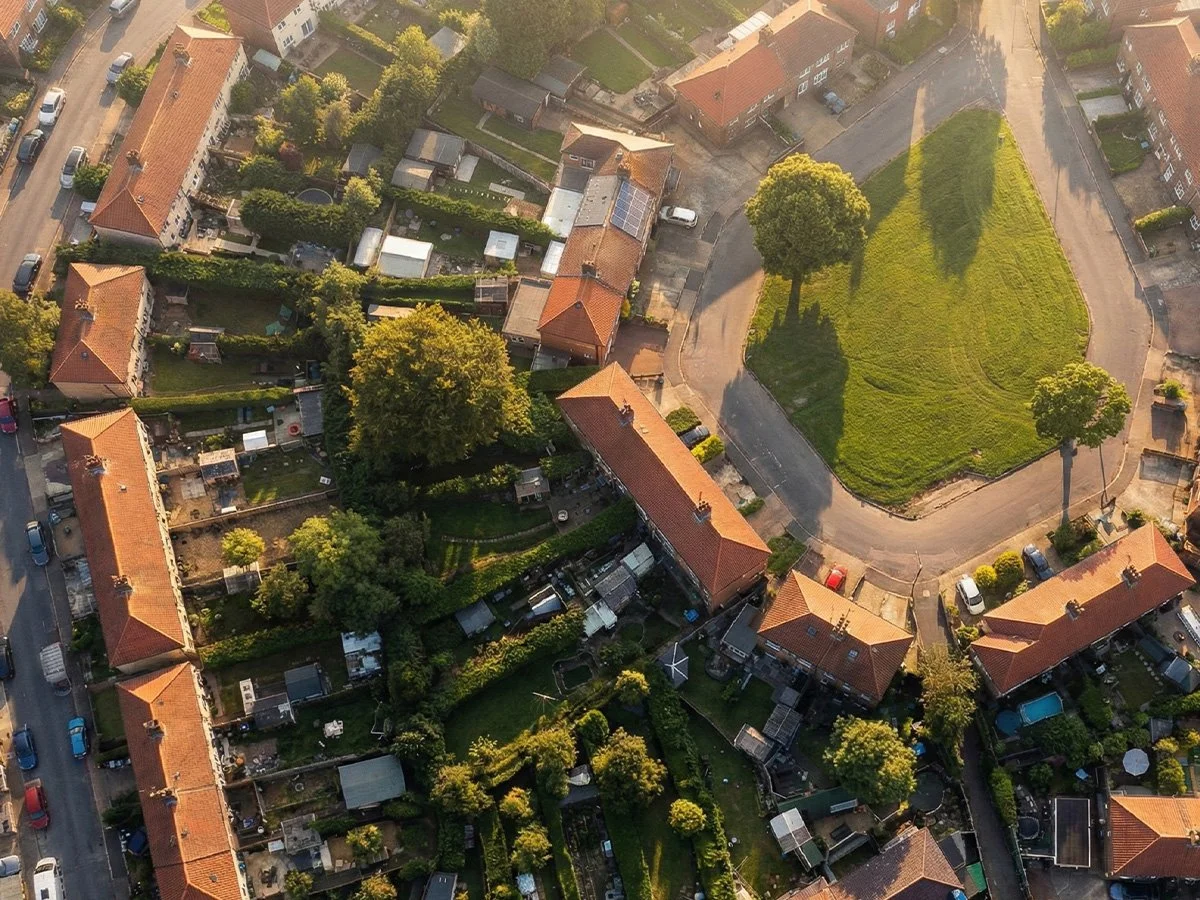
For residential extensions in Worthing and across West Sussex the Party Wall Act is frequently misunderstood or underestimated by homeowners.
Many assume it only applies to major works or that it can be dealt with once construction begins. In reality, party wall matters often influence design decisions long before that stage.
Early architectural involvement helps to identify:
whether the Act applies
which neighbours are affected
how structural proposals interact with shared walls or boundaries
Addressing this early avoids surprise objections, rushed notices and strained communication later.
For homeowners unfamiliar with the process, clear guidance at design stage often prevents unnecessary legal complexity altogether.
Daylight, outlook and neighbour impact need context
Planning guidance often refers to rules such as the 45-degree guideline, but these are not absolute tests. They require judgement and context.
Early architectural input allows:
daylight impact to be assessed realistically
massing to be shaped before positions become fixed
window placement to be considered carefully
neighbour concerns to be anticipated rather than reacted to
This is particularly important in terraced and semi-detached properties, which are common across BN11–BN16.
When these issues are considered early, designs can often achieve better outcomes for both the homeowner and their neighbours, without compromising usable space.
Access, sequencing and construction impact matter too
Neighbour disputes are not always about the finished building. Many arise during construction.
Common triggers include:
access routes across shared land
scaffolding positions
noise and working hours
deliveries and storage
temporary loss of privacy or light
Early architectural coordination helps by:
planning access routes properly
sequencing work realistically
flagging constraints before contracts are signed
reducing assumptions that later cause tension
This level of foresight is rarely visible in drawings, but it has a significant impact on how smoothly a project runs.
Clear drawings reduce uncertainty for everyone
Ambiguous or incomplete drawings create risk. Builders price that risk. Neighbours react to it.
Early architectural input focuses on clarity:
clear boundary relationships
accurate levels and sections
realistic structural strategies
unambiguous construction intent
When everyone understands what is proposed, concerns are easier to address calmly and proportionately.
This clarity benefits homeowners, builders and neighbours alike.
Why this approach protects homeowners
Preventing neighbour disputes is not just about goodwill. It protects homeowners in tangible ways.
Early architectural input can:
reduce the likelihood of objections
prevent delays during construction
avoid legal disputes
protect budgets from reactive changes
preserve neighbour relationships long term
For many clients, this risk reduction is as valuable as the design itself.
Local experience matters
Neighbour considerations are highly location-specific.
What works in one authority may not apply in another. Local housing typologies, planning approaches and community expectations all influence outcomes.
This is why experience within Worthing and the surrounding areas matters. Understanding how local projects typically unfold allows risks to be identified early and managed appropriately.
Find an Architect in Worthing or better still an architectural designer, if you are not sure about the nuanced difference read our article architect vs architectural designer in Worthing.
When to seek architectural input
The most effective time to involve an architect or designer is before ideas become fixed.
Early discussions allow:
options to be tested without commitment
constraints to be identified early
realistic expectations to be set
informed decisions before cost and risk escalate
This is particularly important if neighbours are close, boundaries are tight or the site has any complexity.
Final thoughts
Neighbour disputes are rarely inevitable. They are usually the result of issues being discovered too late.
Early architectural input brings clarity, foresight and calm decision-making to a process that can otherwise feel uncertain. It allows potential problems to be addressed quietly and professionally, long before they become disputes.
If you are planning an extension or refurbishment in Worthing, BN11–BN16 or the surrounding areas, early feasibility input can make the difference between a smooth project and a stressful one.